

การตรวจคัดกรอง HCM ในแมวเบอร์มีส — ตั้งแต่เวลาเริ่มต้นจนถึงรอบการตรวจอย่างครบถ้วน
แมวเบอร์มีสเป็นพันธุ์ที่มีความเสี่ยงต่อโรคกล้ามเนื้อหัวใจหนาตัว (HCM) แนะนำตารางการตรวจอัลตราซาวนด์หัวใจเป็นประจำตั้งแต่อายุ 1 ปีและจุดสำคัญในการตรวจพบแต่เนิ่นๆ
แมวเบอร์มีสและ HCM ทำไมการตรวจคัดกรองจึงสำคัญ?

HCM คือโรคอะไรกันแน่?
จุดสำคัญในการตรวจที่เจ้าของแมวเบอร์มีสต้องจำไว้

รอบการตรวจที่แนะนำตามอายุ
| รายการ | ความเสี่ยงต่ำ (ไม่มีประวัติครอบครัว) | ความเสี่ยงปานกลาง (มีประวัติการวินิจฉัยในญาติ) | ความเสี่ยงสูง (มีประวัติการวินิจฉัยในพ่อแม่/พี่น้อง) |
|---|---|---|---|
| 12 เดือน (การตรวจครั้งแรก) | อัลตราซาวนด์หัวใจพื้นฐาน | อัลตราซาวนด์หัวใจพื้นฐาน | อัลตราซาวนด์หัวใจ + ความดันโลหิต |
| 1-3 ปี | ทุก 2 ปี | ทุกปี | ทุก 6-12 เดือน |
| 4-7 ปี | ทุก 1-2 ปี | ทุกปี | ทุก 6-12 เดือน |
| 8 ปีขึ้นไป | ทุกปี | ทุกปี | ทุก 6-12 เดือน |
| ก่อนผสมพันธุ์ | จำเป็น 1 ครั้ง | จำเป็น 1 ครั้ง | จำเป็น 1 ครั้ง |
แนะนำให้แปลผลโดยสัตวแพทย์ผู้เชี่ยวชาญด้านหัวใจ HCM ในแมวมักดำเนินไปโดยไม่มีเสียงรบกวน การฟังเสียงหัวใจเพียงอย่างเดียวอาจพลาดได้ และอัลตราซาวนด์หัวใจเป็นการตรวจมาตรฐานที่ไวที่สุด
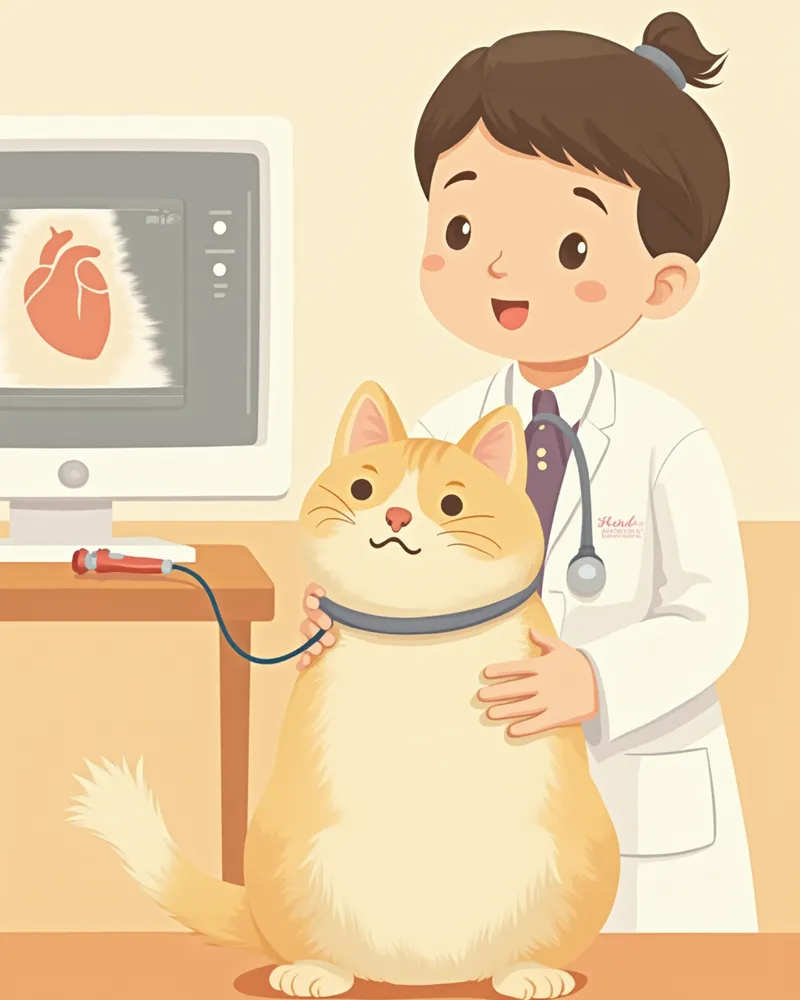
การตรวจอัลตราซาวนด์หัวใจดำเนินการอย่างไร?
หากพบสัญญาณเหล่านี้ ให้พาไปโรงพยาบาลทันทีไม่ว่าจะอยู่ในรอบตรวจหรือไม่
Even if you have a scheduled echocardiogram appointment, please visit a veterinary clinic as soon as possible (within 24 hours) if any of the following signs appear: • Open-mouth breathing or panting • Sudden weakness or coldness in the hind legs • A noticeably faster breathing rate while sleeping compared to normal • Pale or bluish gums • Sudden loss of appetite and lethargy In particular, hind limb paralysis is an emergency sign of arterial thromboembolism. Delaying treatment can make recovery difficult.
การตรวจยีนช่วยได้หรือไม่?
จุดสำคัญในการดูแลเมื่อตรวจพบแต่เนิ่นๆ
ปัญหาสุขภาพอื่นๆ ที่แมวเบอร์มีสต้องระวังร่วมด้วย
In addition to heart concerns, Birman cats may be predisposed to certain congenital and genetic conditions that warrant attention. Preventive medicine textbooks emphasize reviewing "congenital and genetic diseases" and "breed-specific health predispositions" at each life stage as part of routine health management. In Birmans, issues such as sparse or absent coat in kittens, immune system vulnerabilities, and occasionally observed neutrophil granule abnormalities on blood tests have been noted; however, the specific risks and prognosis vary from individual to individual. Rather than relying on definitive statistics, the safest approach is to carefully review the breeder’s health screening records and family history before adoption or breeding, and to consult with your veterinarian.
สัตวแพทย์ผู้ตรวจสอบคอนเทนต์นี้

Dr. Tony — Punnawat Phongkittirak
สัตวแพทย์สัตวแพทย์ผู้สำเร็จการศึกษาด้านสัตวแพทยศาสตร์จากมหาวิทยาลัยขอนแก่น ประเทศไทย และผ่านหลักสูตร IVSA ที่ North Carolina State University สหรัฐอเมริกา ด้วยประสบการณ์ทางคลินิกในโรงพยาบาลสัตว์ ปัจจุบันทำงานในสายงานเฮลท์แคร์สัตว์เลี้ยง และมุ่งมั่นสร้างระบบการดูแลดิจิทัลที่เชื่อมผู้เลี้ยงกับสัตวแพทย์
ตรวจสอบเมื่อ 2026-04-30
คำถามที่พบบ่อย
แมวเบอร์มีสควรเริ่มตรวจหัวใจเมื่ออายุเท่าไหร่?
การฟังเสียงหัวใจเพียงอย่างเดียวเพียงพอหรือไม่?
ค่าใช้จ่ายในการตรวจคัดกรองประมาณเท่าไหร่?
สามารถทราบความเสี่ยงของ HCM ล่วงหน้าด้วยการตรวจยีนได้หรือไม่?
อายุขัยเฉลี่ยหลังการวินิจฉัย HCM เป็นอย่างไร?
แชร์
คอนเทนต์ที่เกี่ยวข้อง

ประโยชน์และแนวทางการให้โคเอนไซม์ Q10

อาหารเม็ดสำหรับสุนัขโรคหัวใจ แนะนำ BEST และเกณฑ์การเลือก

สัญญาณเตือนหายใจลำบากในสุนัข — แนะนำ 7 วิธีจัดการความดันโลหิตสูงในหลอดเลือดแดงปอด

โรคทางพันธุกรรมแมวโนรวีฟอเรสต์ — รายการตรวจสอบ 7 ข้อสำหรับโรคกล้ามเนื้อหัวใจหนาและโรคไต

ข้อสะโพกเสื่อมในแมว Norwegian Forest ฉบับสมบูรณ์ — อาการ การตรวจ และจังหวะการดูแล

การตรวจคัดกรอง HCM ในแมวพันธุ์นอร์เวย์ฟอเรสต์ — เมื่อไหร่และอย่างไร

การตรวจสุขภาพแมวไซบีเรียน — รายการตรวจสอบตามวัยและการจัดการโรคที่พบบ่อย

7 โรคทางพันธุกรรมในแมวไซบีเรียน — ตั้งแต่อาการไปจนถึงการดูแลตลอดชีวิต

การดูแลขนชั้นสามของไซบีเรียนฮัสกี้ — การแปรงขน·เป่าลม·ดูแลผิวเพื่อเตรียมพร้อมการผลัดขน

คู่มือการตรวจคัดกรอง PK Deficiency สำหรับแมวไซบีเรียน
เอกสารอ้างอิง
[1] Little, S. E., The Cat: Clinical Medicine and Management, 2nd Edition, 2024
[2] Textbook of Cardiovascular Medicine in Dogs and Cats — Feline Hypertrophic Cardiomyopathy chapter
[3] ACVIM Consensus Statement on Feline Cardiomyopathy, 2020